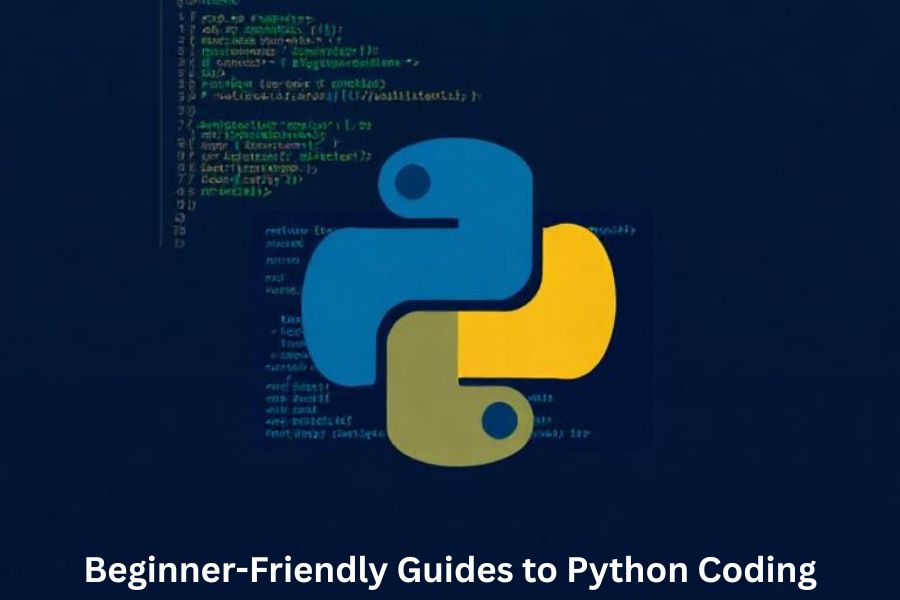
Learning Python is one of the smartest decisions you can make today. Whether you want to work in web development, artificial intelligence, data analysis, automation, or simply understand tech better, Python offers one of the cleanest and most beginner-friendly coding experiences. So, if you’ve been thinking about getting started, this guide will walk you through everything—from understanding the basics to writing your first program.
Understanding the Basics of Python
What is Python?
Python is a high-level, general-purpose programming language known for its simple syntax. In other words, Python reads almost like English, which makes it incredibly easy for beginners to understand and use.
Key Features of Python
- Easy-to-read syntax
- Huge community support
- Cross-platform (works on Windows, Mac, and Linux)
- Thousands of libraries for any purpose—AI, automation, data science, web apps
Where Python Is Commonly Used
Python powers some of the world’s most popular technologies:
- Netflix recommendation algorithms
- Instagram’s backend
- AI tools
- Automation scripts
- Data dashboards
It’s everywhere!
Setting Up Your Python Environment
Installing Python
Visit the official Python website, download the latest version, and install it. That’s it—super simple.
Choosing the Right Code Editor
VS Code
Lightweight, customizable, and perfect for beginners.
PyCharm
Great for larger projects, especially if you want features built-in.
Jupyter Notebook
Amazing for data science, experiments, and teaching.
Choose whichever feels right. You can even change later.
Writing Your First Python Program
“Hello, World!” Explained
Open your editor and type:
print("Hello, World!")
This line does one thing: it tells Python to display text. Think of it as your first handshake with coding.
Running Python Code
You can run your Python file by:
- Clicking the “Run” button in your editor
- Typing
python filename.pyin the terminal
Either way, it works instantly.
Essential Python Concepts for Beginners
Variables and Data Types
Variables store information. For example:
name = "John"
age = 21
Strings and Numbers
Python separates text (“strings”) from numbers:
message = "Hello"
number = 10
Lists, Tuples, and Dictionaries
- List:
[1, 2, 3] - Tuple:
(1, 2, 3) - Dictionary:
{"name": "Alice", "age": 22}
Lists can change, tuples cannot, dictionaries store key-value data.
Conditional Statements (if/else)
age = 18
if age >= 18:
    print("Adult")
else:
    print("Minor")
Loops
for i in range(5):
    print(i)
Functions
def greet():
    print("Hello!")
Functions help you reuse code.
Understanding Python Through Real-Life Examples
Simple Calculator
a = 5
b = 3
print(a + b)
To-Do List Program
tasks = []
tasks.append("Study Python")
print(tasks)
Temperature Converter
c = 20
f = (c * 9/5) + 32
print(f)
All of these are small, useful and perfect for practice.
Common Mistakes Beginners Make
Indentation Errors
Python uses indentation for structure. One wrong space can break your code.
Misusing Data Types
Trying to add strings and numbers directly will fail:
"Hello" + 5 # error
Forgetting Brackets or Colons
Beginners often miss : in loops or conditions.
Best Resources to Learn Python
Books
- “Automate the Boring Stuff with Python”
- “Python Crash Course”
Websites
- W3Schools
- RealPython
- Python.org
YouTube Channels
- Programming With Mosh
- Tech With Tim
- Corey Schafer
Practice Platforms
- HackerRank
- LeetCode
- Codecademy
Tips to Become Better at Python
Practice Daily
Even 20 minutes per day helps.
Work on Small Projects
Try:
- A calculator
- A password generator
- A budget tracker
Read Other People’s Code
It opens your mind to new ideas and techniques.
Conclusion
Python is one of the most beginner-friendly and powerful programming languages on the planet. Whether you’re learning for fun or career growth, mastering the basics opens doors to endless opportunities—from data science and AI to automation and app development. Take it step by step, keep practicing, and enjoy the journey.
FAQs
1. How long does it take to learn Python?
With consistent practice, basics can be learned in 2–4 weeks.
2. Is Python good for complete beginners?
Yes—its simple syntax makes it perfect for first-time coders.
3. Do I need math for Python?
Basic math helps, but advanced math is only needed for fields like AI and ML.
4. Can I learn Python for free?
Absolutely! Many websites and YouTube channels offer free tutorials.
5. What’s the best first project in Python?
A calculator, to-do app, or number guess game—simple but effective.